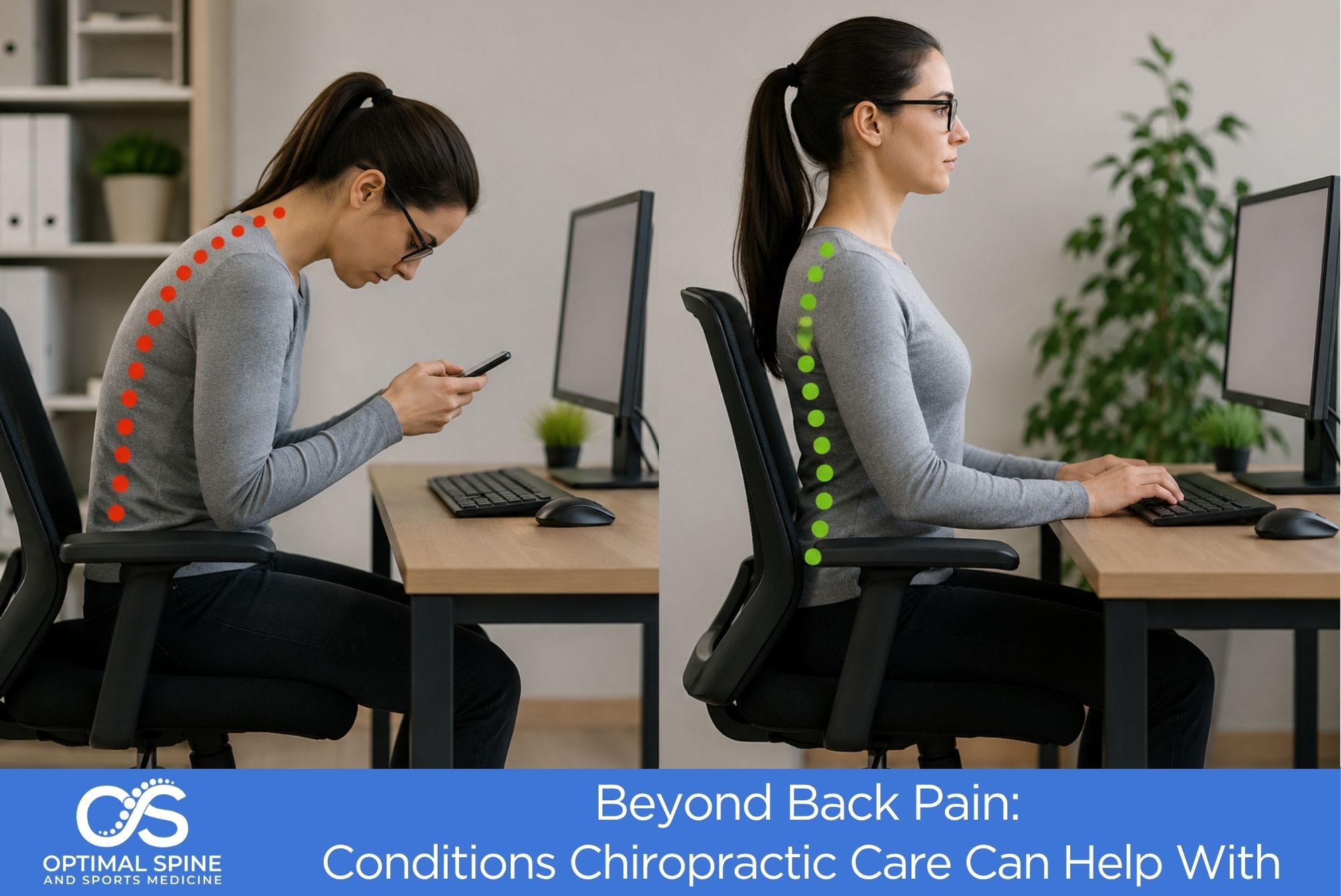
In today’s digital world, poor posture has become one of the most common health concerns affecting people of all ages. From spending hours at a desk to constantly looking down at smartphones, modern habits are putting significant strain on the spine, muscles, and joints. While posture may seem like a minor issue, it can have a major impact on your overall health, energy levels, mobility, and quality of life.
At Optimal Spine And Sports Medicine, we help patients throughout Houston, TX identify posture-related problems and develop effective treatment plans that relieve pain, restore alignment, and improve long-term health. Understanding how posture affects the body is the first step toward preventing chronic discomfort and injury.
What Is Posture?
Posture refers to the way you hold your body while standing, sitting, or moving. Proper posture keeps your bones and joints aligned so muscles can work efficiently without unnecessary strain. Good posture supports spinal health, balance, circulation, breathing, and even mental well-being.
Poor posture occurs when the body is consistently positioned in ways that place stress on muscles, ligaments, and joints. Over time, these imbalances can lead to pain, reduced flexibility, and chronic health problems.
How Modern Habits Are Damaging Your Posture
Desk Work and Sitting for Long Hours
Many people spend 8 or more hours each day sitting at a computer. Without proper ergonomic support, prolonged sitting often leads to:
- Rounded shoulders
- Forward head posture
- Tight hip flexors
- Lower back pain
- Neck stiffness
Sitting for extended periods also weakens core muscles that help stabilize the spine.
Smartphone and Tablet Use (“Tech Neck”)
Constantly looking down at phones places tremendous stress on the cervical spine. This condition, commonly called “tech neck,” can cause:
- Neck pain
- Shoulder tension
- Headaches
- Muscle fatigue
- Reduced mobility
The human head weighs approximately 10–12 pounds in a neutral position, but tilting it forward dramatically increases the pressure on the neck and upper back.
Poor Sleeping Positions
Sleeping on an unsupportive mattress or using improper pillows can contribute to spinal misalignment and muscle strain.
Lack of Physical Activity
Weak muscles and poor flexibility make it harder for the body to maintain healthy posture throughout the day.
The Connection Between Posture and Overall Health
Poor posture doesn’t just affect appearance—it impacts multiple systems throughout the body.
1. Neck and Back Pain
One of the most common consequences of poor posture is chronic neck and back pain. Misalignment increases stress on spinal discs, muscles, and joints, leading to inflammation and discomfort.
2. Headaches
Forward head posture can strain neck muscles and nerves, contributing to tension headaches and migraines.
3. Reduced Breathing Capacity
Slouching compresses the chest cavity, making it harder for the lungs to fully expand. This can reduce oxygen intake and contribute to fatigue.
4. Poor Circulation
Sitting or slouching for long periods may impair blood flow, increasing the risk of swelling, muscle fatigue, and varicose veins.
5. Digestive Issues
Poor seated posture compresses abdominal organs, which may slow digestion and contribute to bloating or discomfort.
6. Decreased Energy Levels
When muscles constantly work to compensate for poor alignment, the body expends more energy, leading to fatigue.
7. Joint Wear and Tear
Improper posture increases abnormal stress on joints, which may accelerate degenerative conditions like arthritis.
Signs Your Posture May Need Attention
You may benefit from posture correction if you experience:
- Frequent neck or back pain
- Rounded shoulders
- Headaches after computer use
- Stiffness after sitting
- Muscle tension
- Difficulty standing for long periods
- Fatigue throughout the day
- Tingling or numbness in the arms or hands
How to Improve Your Posture
Fortunately, posture can often be corrected with consistent habits and professional care.
1. Adjust Your Workstation
An ergonomic workspace can significantly reduce strain on the body.
Tips for Better Desk Ergonomics:
- Keep your monitor at eye level
- Sit with feet flat on the floor
- Use a chair with lumbar support
- Keep elbows at a 90-degree angle
- Position the keyboard and mouse close to your body
2. Take Frequent Movement Breaks
Avoid sitting for long periods without moving. Stand, stretch, or walk every 30–60 minutes to improve circulation and reduce stiffness.
3. Strengthen Core Muscles
A strong core helps support spinal alignment. Exercises such as planks, bridges, and gentle stability training can improve posture over time.
4. Stretch Tight Muscles
Stretching the chest, shoulders, neck, and hip flexors can help counteract the effects of prolonged sitting and device use.
5. Practice Better Phone Habits
Hold devices closer to eye level to reduce neck strain. Limit prolonged downward head positioning whenever possible.
6. Improve Sleeping Posture
Choose a supportive mattress and pillow that help maintain proper spinal alignment during sleep.
7. Seek Professional Evaluation and Treatment
Persistent posture problems often require professional care. At Optimal Spine And Sports Medicine, our team evaluates spinal alignment, muscle imbalances, mobility limitations, and pain patterns to create customized treatment plans.
Professional Treatments for Posture-Related Pain
Depending on your condition, treatment options may include:
- Chiropractic care
- Physical rehabilitation exercises
- Spinal adjustments
- Soft tissue therapy
- Sports medicine treatments
- Corrective exercise programs
- Lifestyle and ergonomic guidance
Early intervention can help prevent posture-related issues from progressing into chronic pain conditions.
Why Posture Matters for Long-Term Health
Maintaining good posture is about more than standing up straight. Proper alignment supports healthy movement, reduces unnecessary strain, improves breathing, boosts confidence, and protects the spine for years to come.
With modern lifestyles increasingly centered around screens and sitting, proactive posture care has never been more important.
Comprehensive Q&A Section
Q: Can poor posture really cause chronic pain?
Yes. Poor posture places abnormal stress on muscles, joints, ligaments, and spinal discs. Over time, this strain can lead to chronic neck pain, back pain, shoulder tension, and headaches.
Q: What is “tech neck”?
Tech neck refers to neck and upper back strain caused by frequently looking down at phones, tablets, or laptops for extended periods.
Q: How long does it take to correct posture?
Posture improvement varies depending on the severity of the issue and consistency of treatment and exercises. Some patients notice improvements within weeks, while others may require longer-term corrective care.
Q: Can chiropractic care help improve posture?
Yes. Chiropractic care can help improve spinal alignment, reduce tension, and restore proper movement patterns that support better posture.
Q: Does posture affect breathing?
Absolutely. Slouching compresses the chest and diaphragm, limiting lung expansion and reducing breathing efficiency.
Q: Can children and teenagers develop posture problems?
Yes. Increased screen time, heavy backpacks, and poor sitting habits can contribute to posture issues in younger individuals.
Q: What exercises help improve posture?
Core strengthening exercises, stretching routines, yoga, planks, bridges, and postural stability exercises can all help improve alignment and posture.
Q: Is standing all day better than sitting?
Not necessarily. Both prolonged sitting and prolonged standing can strain the body. The key is maintaining proper posture and moving regularly throughout the day.
Q: Can posture affect mood and confidence?
Research suggests that posture may influence confidence, mood, and stress levels. Standing and sitting upright can positively impact energy and mental well-being.
Q: When should I seek professional help for posture problems?
If posture-related pain persists, worsens, or interferes with daily activities, it’s important to seek professional evaluation and treatment.
Contact Optimal Spine And Sports Medicine
Optimal Spine And Sports Medicine
6212 N Main St Suite C
Houston, TX 77009
Office: (281) 301-7710
Fax: (281) 310-6371
Website: optimalspineandsports.com