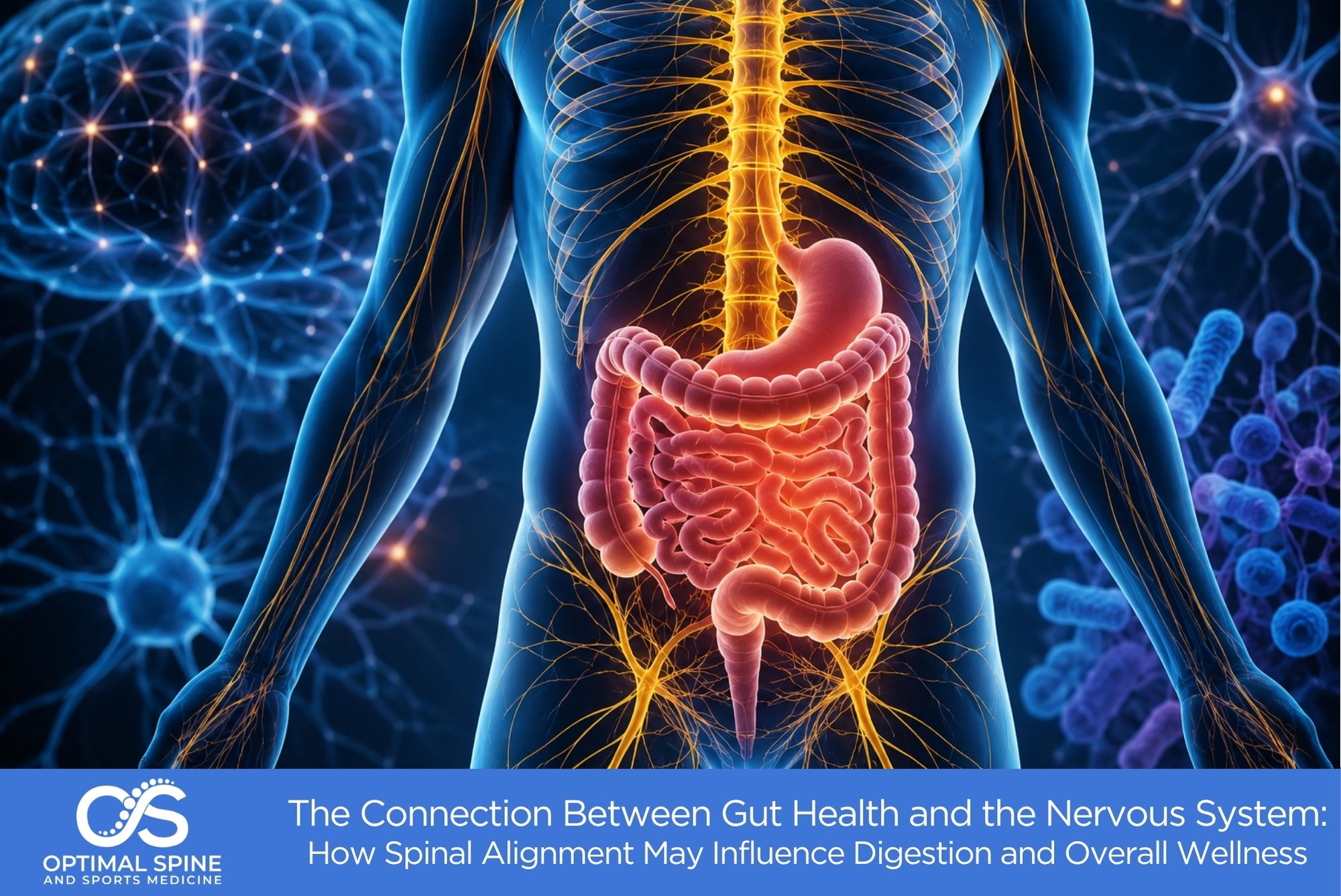
The relationship between gut health and the nervous system is far more connected than many people realize. Often referred to as the “gut-brain connection,” this complex communication network influences digestion, immune function, mood, inflammation, and overall wellness. At Optimal Spine And Sports Medicine, we believe in treating the body as an interconnected system, where spinal health and nervous system function may play an important role in supporting digestive wellness and quality of life.
Understanding how spinal alignment impacts the nervous system can help patients make informed decisions about their health. Whether you experience chronic digestive discomfort, stress-related symptoms, or recurring back pain, exploring the connection between spinal health and gut function may offer valuable insight into your overall wellness journey.
Understanding the Gut-Brain Connection
The gut and the nervous system constantly communicate through a network known as the gut-brain axis. This system involves the brain, spinal cord, enteric nervous system, and trillions of microorganisms living within the digestive tract.
The enteric nervous system, often called the “second brain,” contains millions of nerve cells that regulate digestive processes such as:
- Nutrient absorption
- Intestinal movement
- Enzyme production
- Blood flow to the digestive tract
- Immune responses
Signals travel between the brain and digestive system through the vagus nerve and spinal pathways. When the nervous system is functioning properly, digestion tends to operate more efficiently. However, stress, inflammation, injuries, or spinal misalignment may interfere with this communication.
How the Spine Influences Nervous System Function
The spine protects the spinal cord, which serves as the body’s central communication highway. Nerves branching from the spinal cord help regulate nearly every organ and bodily system, including the digestive tract.
When spinal joints become restricted or misaligned, nerve communication may become disrupted. This interference can potentially contribute to symptoms such as:
- Digestive discomfort
- Bloating
- Constipation
- Acid reflux
- Muscle tension
- Fatigue
- Stress-related symptoms
Proper spinal alignment may help support healthier nerve function by reducing pressure on irritated nerves and improving mobility throughout the musculoskeletal system.
The Role of Stress in Gut Health
Stress has a significant impact on both the nervous system and digestive function. When the body enters a chronic “fight-or-flight” state, digestion may slow down as the nervous system prioritizes survival responses over normal digestive activity.
This can contribute to symptoms such as:
- Stomach pain
- Indigestion
- Nausea
- Irritable bowel symptoms
- Appetite changes
Spinal discomfort and chronic pain can also increase stress levels, creating a cycle that affects both physical and digestive health. By improving spinal function and reducing tension within the body, patients may experience better relaxation and nervous system balance.
Can Spinal Alignment Improve Digestive Wellness?
While spinal care is not a direct treatment for digestive diseases, maintaining spinal health may help support the body’s natural communication systems. Many patients report improvements in overall comfort, mobility, and stress management after receiving chiropractic or integrative musculoskeletal care.
Potential wellness benefits associated with improved spinal function may include:
- Better posture
- Reduced muscular tension
- Enhanced mobility
- Improved nervous system communication
- Greater relaxation
- Better overall physical function
At Optimal Spine And Sports Medicine, our team takes a comprehensive approach to patient care by evaluating how spinal health, movement patterns, and nervous system function contribute to whole-body wellness.
Lifestyle Habits That Support Gut and Nervous System Health
Supporting both gut health and spinal wellness often requires a combination of healthy habits and professional care.
Maintain Proper Posture
Poor posture may place stress on the spine and surrounding nerves. Sitting and standing with proper alignment can support spinal health and overall comfort.
Stay Physically Active
Regular movement helps support circulation, digestion, flexibility, and stress management. Exercise can also encourage healthy spinal mechanics.
Eat a Gut-Friendly Diet
A balanced diet rich in fiber, fruits, vegetables, probiotics, and lean proteins may support digestive health and reduce inflammation.
Manage Stress
Practices such as deep breathing, stretching, meditation, and quality sleep can help regulate the nervous system and improve overall wellness.
Seek Professional Evaluation
If you experience chronic pain, mobility limitations, or digestive discomfort alongside musculoskeletal issues, a professional evaluation may help identify contributing factors.
Integrative Care at Optimal Spine And Sports Medicine
At Optimal Spine And Sports Medicine, we focus on helping patients improve movement, reduce discomfort, and support long-term wellness through individualized care plans. Our team understands that spinal health and nervous system function may influence multiple aspects of daily life, including physical comfort and overall well-being.
By combining evidence-based treatments with patient-centered care, we strive to help patients feel their best and maintain healthier lifestyles.
Frequently Asked Questions (Q&A)
What is the gut-brain connection?
The gut-brain connection refers to the communication network between the digestive system and the nervous system. The brain and gut constantly exchange signals that affect digestion, mood, immune responses, and overall health.
Can spinal misalignment affect digestion?
Spinal misalignment may potentially interfere with nerve communication between the brain and digestive organs. While it is not a direct cause of digestive disease, restricted spinal function may contribute to tension and nervous system imbalance.
How does stress impact gut health?
Stress can alter digestive function by slowing digestion, increasing inflammation, and affecting gut bacteria balance. Chronic stress may contribute to symptoms such as bloating, indigestion, and stomach discomfort.
What is the enteric nervous system?
The enteric nervous system is a complex network of nerves located in the digestive tract. It helps regulate digestion, nutrient absorption, and gastrointestinal movement.
Can improving posture help digestive health?
Good posture may help reduce pressure on abdominal organs and support proper spinal alignment, which can contribute to better comfort and digestive efficiency.
Is chiropractic care a treatment for digestive disorders?
Chiropractic and spinal care are not direct treatments for digestive diseases. However, maintaining spinal health may help support nervous system function and overall wellness.
What are signs of nervous system imbalance?
Symptoms may include chronic tension, fatigue, poor sleep, headaches, digestive discomfort, and muscle stiffness. A professional evaluation can help determine contributing factors.
How can I improve both spinal and gut health naturally?
Healthy habits such as regular exercise, proper posture, stress management, balanced nutrition, hydration, and routine wellness care may support both systems.
Contact Optimal Spine And Sports Medicine
Optimal Spine And Sports Medicine
6212 N Main St Suite C
Houston, TX 77009
Office: (281) 301-7710
Fax: (281) 310-6371
Website: optimalspineandsports.com